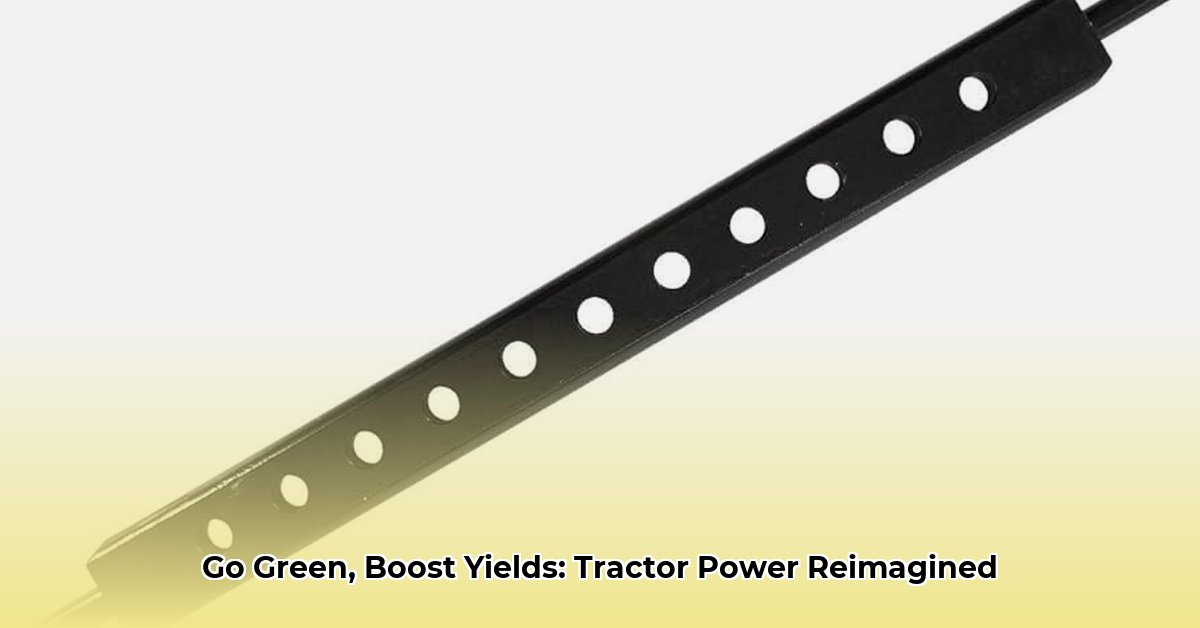
Understanding Tractor Drawbars and Their Role in Sustainable Agriculture
Tractor drawbars, often overlooked, are the critical connection between your tractor and the implements used for tillage, planting, and harvesting. Choosing and maintaining the right drawbar significantly impacts fuel efficiency, soil health, and overall farm sustainability. An inefficient drawbar setup can lead to increased fuel consumption, soil compaction, and reduced yields, while a well-chosen and maintained drawbar optimizes power transfer, minimizing environmental impact and maximizing productivity. Think of the drawbar as the crucial link in a chain reaction that determines your farm’s efficiency and long-term health. For more on tractor implements, see this helpful resource.
Types of Tractor Drawbars: A Comparison for Sustainable Farming
Several drawbar types cater to different farming needs and soil conditions. Understanding their strengths and weaknesses regarding sustainability is crucial for informed decision-making.
Fixed Drawbars: These simple, economical options are suitable for smaller tractors and less demanding tasks. However, their inflexibility limits versatility and can contribute to increased soil compaction, especially in heavy soils. Their lack of adaptability makes them less sustainable for many farms.
Adjustable Drawbars: Offering greater flexibility, adjustable drawbars allow for fine-tuning the implement's position and angle, optimizing traction and minimizing soil compaction. This adaptability is key to reducing fuel consumption and maintaining soil health.
Three-Point Hitch Systems: The most versatile option, three-point hitches offer precise implement control, easy attachment/detachment, and enhanced maneuverability. This system helps reduce soil compaction and improves fuel efficiency due to its precise control and efficient power transfer. This is often the most sustainable choice for larger farms and diverse operations.
| Drawbar Type | Advantages | Disadvantages | Sustainability Impact |
|---|---|---|---|
| Fixed Drawbar | Simple, inexpensive, easy maintenance | Limited adjustability, potential for increased soil compaction | Lower; inflexibility and potential for increased compaction reduce efficiency. |
| Adjustable Drawbar | Greater versatility, adaptable to various conditions, minimizes soil compaction | Slightly more complex, higher cost | Higher; adaptability leads to better traction, minimizes compaction, reduces fuel use. |
| Three-Point Hitch | Highly versatile, precise control, quick implement changes, fuel-efficient | Higher initial cost | Highest; versatility, precise control, and fuel efficiency contribute to better sustainability. |
Minimizing Soil Compaction: A Cornerstone of Sustainable Agriculture
Soil compaction, a major concern in modern agriculture, reduces water infiltration, restricts root growth, and decreases overall soil health. The drawbar's design and operation directly impact soil compaction. Properly adjusted drawbars distribute weight evenly, minimizing the tractor's impact. Excessive compaction leads to reduced yields and long-term land degradation, highlighting the importance of selecting and using the right drawbar. How can you better manage compaction risks on your farm?
Fuel Efficiency: Lowering Costs and Environmental Impact
Fuel consumption is a significant factor in farm profitability and environmental sustainability. A well-maintained drawbar, correctly matched to the implement and soil conditions, optimizes power transfer, minimizing wheel slip and fuel waste. Wheel slip accounts for considerable fuel loss, and a poorly adjusted drawbar exacerbates this. Every gallon saved contributes to lower costs and reduced greenhouse gas emissions, emphasizing the importance of efficient operation. What steps can you take to lower fuel consumption on your farm today?
Selecting the Right Tractor Drawbar: A Practical Guide
Choosing the appropriate drawbar requires careful consideration of several factors:
Assess Your Needs: Identify the implements needing consistent use and the typical soil conditions. This assessment dictates the necessary features and robustness of the drawbar.
Evaluate Soil Conditions: Heavy clay soils benefit from adjustable or three-point hitch systems that minimize compaction. Lighter soils may allow for simpler options. The soil type has the greatest influence on drawbar choice.
Consider Tractor Capacity: Match the drawbar's weight capacity to your tractor's specifications. Overloading the drawbar is dangerous and reduces efficiency. The weight of both the drawbar and the implement attached must not exceed your tractor’s capabilities.
Budgetary Constraints: While a three-point hitch might have higher initial costs, long-term fuel savings and increased versatility can offer a superior return on investment. Carefully evaluate all factors before committing to a purchase.
Maintenance and Operation: Maximizing Drawbar Lifespan and Performance
Regular maintenance is crucial for extending the drawbar's lifespan and ensuring optimal performance. Regular inspection for wear and tear, lubrication according to the manufacturer's recommendations, and prompt replacement of damaged parts will maintain efficiency and prevent costly repairs. What steps do you take to ensure the upkeep of your drawbar?
Case Study: Real-World Success with Drawbar Optimization
A farm in Iowa, after switching to an adjustable drawbar system, reported a 15% increase in crop yields over two years due to reduced soil compaction and improved power transfer. This demonstrates the potential benefits of optimizing drawbar selection and maintenance for sustainable farming practices.
Conclusion: Sustainable Farming Through Optimized Drawbars
The drawbar's role extends beyond a simple connection; it is a crucial element for efficient and sustainable farming practices. By selecting, using, and maintaining the right drawbar, farmers can significantly improve fuel efficiency, reduce soil compaction, and lower their environmental impact, leading to increased profitability and long-term ecological sustainability. Investing in the right equipment is an investment in your farm’s future.